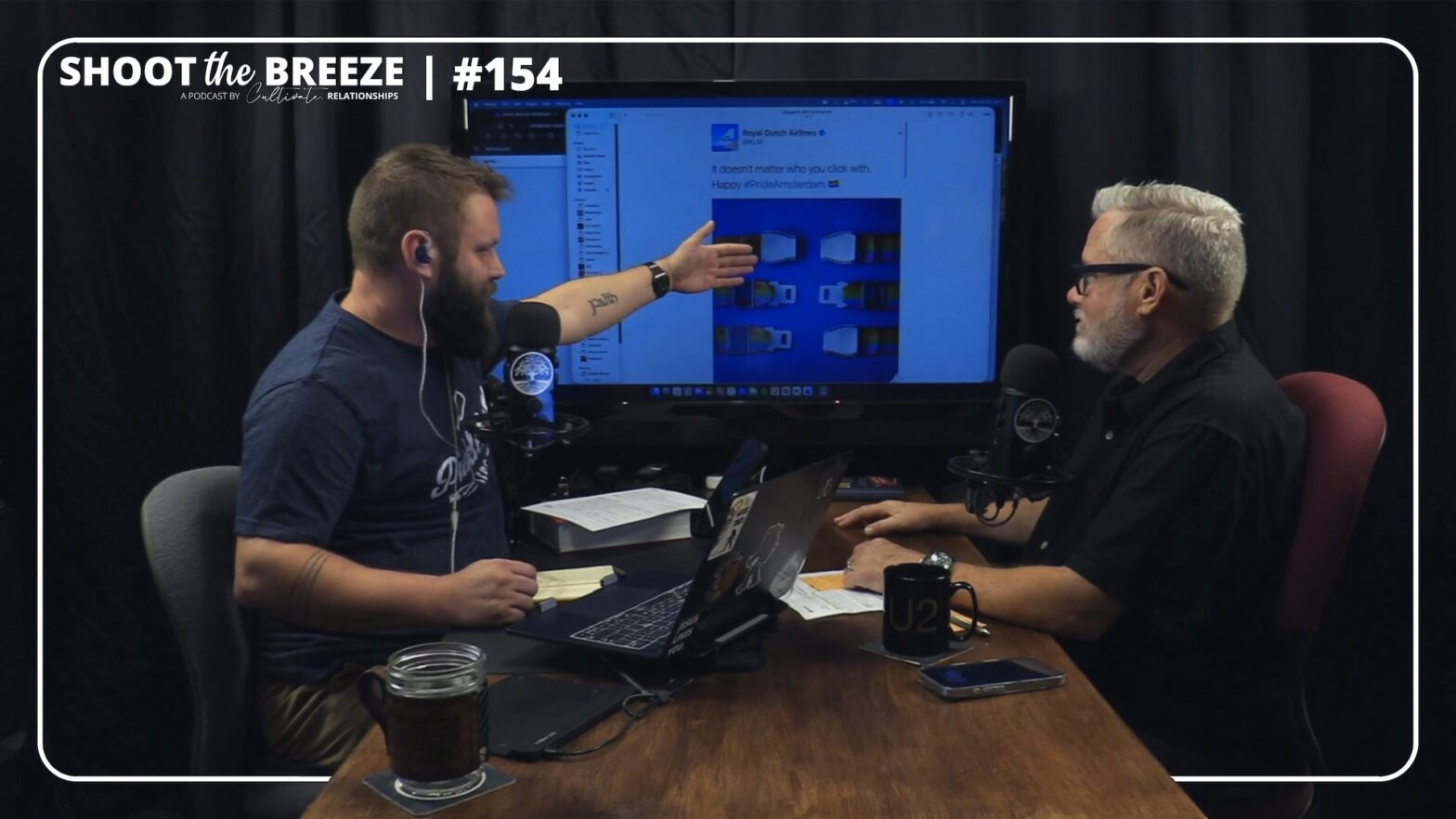
BIBLE SCHOOL EDITION – Nathan and Pastor Scott step into the next part of the Identity series by examining corruption — not as a loss of identity, but as the breaking of our perception of it. Through Scripture, design analogies, and honest stories, they reveal how false beliefs, unhealthy habits, and misplaced desires slowly shape us away from God’s intention. This episode invites listeners to explore how the Spirit restores clarity, exposes unhealthy patterns, and rebuilds us through truth, community, and surrender.
— EPISODE CHAPTERS —
(00:00) Identity, Design, and Why Corruption Matters
Opening reflections highlight how salvation and identity overlap. The conversation explores why understanding our broken patterns is essential to restoration.
(17:34) Facing the Rubble
This section digs into the “building rubble” analogy — showing how we must examine the mess, not ignore it, so God can rebuild what’s been fractured through false views of design.
(39:11) Healthy vs. Unhealthy Patterns
Examples from sexuality, food, and legalism reveal how desire itself isn’t sinful — but how we pursue fulfillment can distort or align us with God’s design.
(1:08:56) Activation Steps
This episode closes with practical guidance for inviting the Holy Spirit to expose corruption, clarify truth, and lead us into restored identity through community and surrender.
— EPISODE LINKS —
• Bookshelf
• Bible Project | 1 Timothy (Modesty – Begins at 3:01)
— EPISODE NOTES —
HABITUALLY INCLINED BUT NOT NATURAL
Proverbs 28.14; Hebrews 3.12-15; Ezekiel 36.26-27; Romans 1.18-32
We turn our hearts away from the Father’s design when we begin living in coping behaviors often meant only to get us through pain and difficulty. What once helped us survive becomes self-gratifying, self-protecting, and self-reliant when it becomes a lifestyle. These habits harden our hearts and turn down the Holy Spirit’s voice and rejecting Him as our true source of purpose, pleasure, power, provision, and peace.
APPLICATION QUESTION(S):
More specifically, what is your first “go-to” coping thought amidst difficult or uncomfortable relationships or circumstances?
HARDENED-HEART ATTRIBUTES
Galatians 5.16-21; Romans 8.4-8
In hardening our hearts, we habitually incline ourselves to being self-gratifying, self-protecting, and self-reliant. We sacrifice healthy, God-designed relationship with others and God for what we believe will benefit us. The following are some of the negative behaviors that emanate from our hardened hearts and further corrupt our mind:
- Sexual Unfaithfulness “…fornication, impurity, licentiousness (sensuality)…” – Sexual unfaithfulness happens when we fulfill our God-given sexual desires outside of how God designed and created them to be fulfilled.
- Self-Trusting “…idolatry, sorcery…” – Idols and sorcery (Gk. pharmakeia) are self-trusting forms of self-gratification and self-medication.
- Caustic “…enmities, strife, jealousy, anger, quarrels, dissensions, factions, envy…” – This behavior believes importance and respect are gained through physical or verbal intimidation, fear, manipulation, or control.
- Excessive “…drunkenness, orgies…” – Excessiveness is simply the immoderate partaking or rejection of anything that is God-given and good.
- Anything not led by the Holy Spirit “…such things…” – Paul ends with a vague “junk drawer” of anything not done either in trusting or living empowered by the Holy Spirit.
APPLICATION QUESTION(S):
From the list above, what is your “go-to” reaction amidst conflict, discomfort, or discontentment?
ACTIVATION STEPS
From this study, prayerfully walk through the following steps:
RECOGNIZE & RE-SENSITIZE YOUR HEART
(Romans 8.5; Proverbs 28.14)
When we depend on self-protecting, self-gratifying, or self-reliant habits, we harden our hearts and become numb to the Holy Spirit’s voice. Freedom begins by letting Him expose those coping behaviors that have become our defense mechanisms.
Ask the Holy Spirit: What habits, “natural” behaviors, or mindsets have I trusted more than You to make me feel safe or in control? What is one way I can respond differently this week — not from habit, but from trusting You?