Recovery programs define “rock bottom” as the point of total loss and despair where an individual has lost their business, finances, family, or home, leaving them with no job, no money, or nowhere to go.
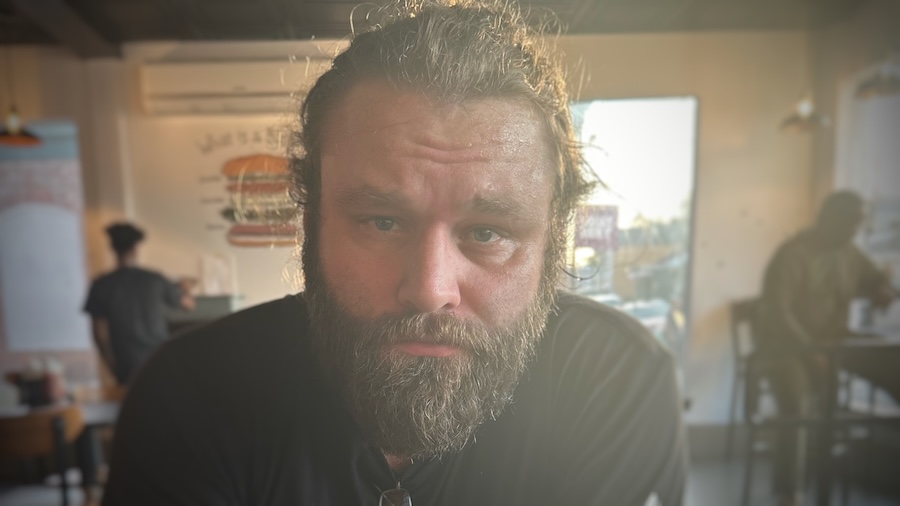
My “rock bottom” began when my hidden sin came into the light and I could no longer avoid the consequences of my choices. I had damaged trust and relationships that mattered deeply to me. The people closest to me didn’t try to protect me from the pain and consequences my choices had produced. Those consequences were uncomfortable and painful. They were also necessary and appropriate.
Recovery describes this as me hitting “rock bottom” — a recognition that consequences were necessary because without them, I might have been able to avoid the painful reality of what my unhealthy choices were producing.
But experiencing consequences wasn’t the same thing as me changing. At some point, I had to do something.
I had to stop feeling sorry for myself, take ownership of what I had done, and take responsibility for what I would do next. I found a therapist, entered a recovery program, and began intentionally engaging in uncomfortable conversations without withdrawing when I became overwhelmed.
Jesus describes this moment in Luke 15.
After leaving his father, squandering his inheritance, and eventually becoming desperate enough to desire the food being fed to pigs, the son “came to himself…” (Luke 15.17).
Both “hitting rock bottom” and “coming to oneself” are important, but they reveal two different sides to consequences.

For Jesus, consequences can create an opportunity for someone to come to themselves and respond. But they cannot force someone to come to themselves — the son still had to see where he was, acknowledge what he had done, and get up and go home.
The consequences mattered. But so did his response.
That’s where the recovery language of hitting “rock bottom” and Jesus’ language of “coming to oneself” work together. Rock bottom reminds me that consequences exposed a reality I had been unwilling to face. But coming to myself reminds me that experiencing those consequences isn’t enough. I still have to make a decision and respond to the reality I’m finally willing to see.
This is where hope is found — not in me finally hurting enough. But rather, it’s in me seeing clearly enough to take responsibility and turn toward home. This is where I’ve embraced the concept that without God, I can’t; but without me, He won’t. I need Him to help me come to myself. But He won’t make the changes that are mine to make.
With hope,
Nathan
CLICK TO SUBSCRIBE