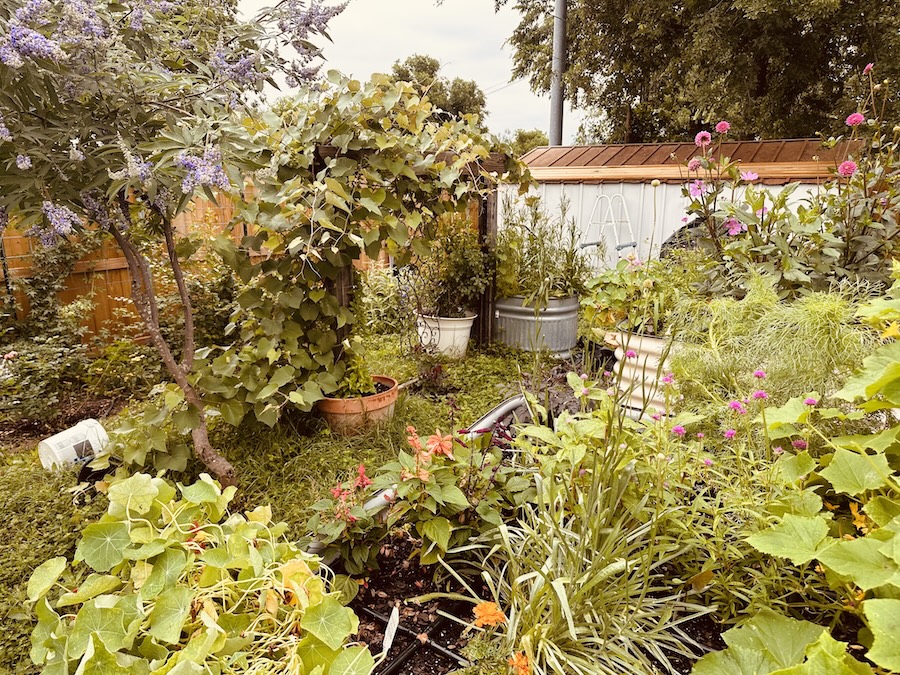
One of the hardest truths about gardening is that there is no magical cure for weeds.
The gardening world debates endlessly — landscaping fabric versus chemicals versus cardboard, pesticides versus organic solutions. But at the end of the day, weeds will continue to grow.
“A weed is just an undesired plant” is a romantic saying I sometimes hear while searching for better solutions. It sounds beautiful, but it is usually spoken by someone who doesn’t garden.
The truth is, weeds choke out what you are actually trying to grow. They take over space that was never meant for them.
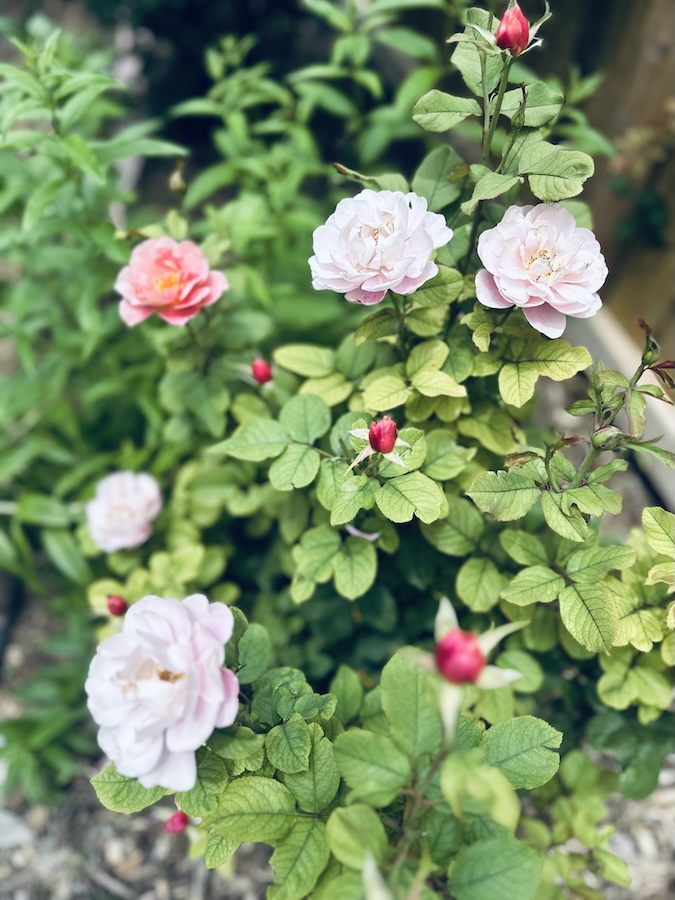
Gardeners spend enormous time, energy, and resources trying to manage them. We’ve tried chemicals that harm the very ecosystem we’re trying to build. We’ve tried smothering with plastic cloth, only for weeds to eventually break through.
What I’ve settled on is the least glamorous but most sustainable method: hand pulling, soil cultivation, and mulch.
It takes time. It feels never-ending. There is no quick fix. I have to walk the garden, notice each weed, and pull it out by the root. What I want is an easier method, but what actually creates health is attention and consistency.
And strangely, the more time I spend on my hands and knees in the dirt, the easier it becomes to see what doesn’t belong. The soil improves, and what I want to grow begins to thrive.
But it requires vigilance. If I step away, the garden quickly becomes wild and overrun.
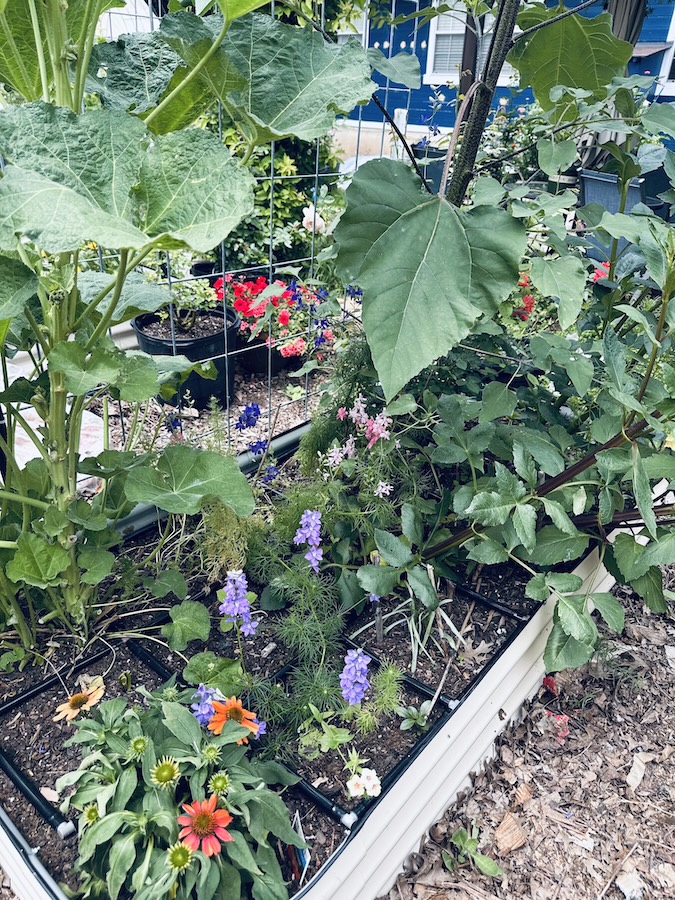
Gardens are made to be tended. So are our hearts.
There is no shortcut that keeps the human heart open to the Lord. It requires steady attention—inviting Him to show what needs to be uprooted and surrendered.
I’ve noticed many of the “weeds” in my heart show up through my emotions.
The Lord is not afraid of my feelings. I might be. I want to shut them down and ignore them because that feels easier, but unexamined feelings only keep growing.
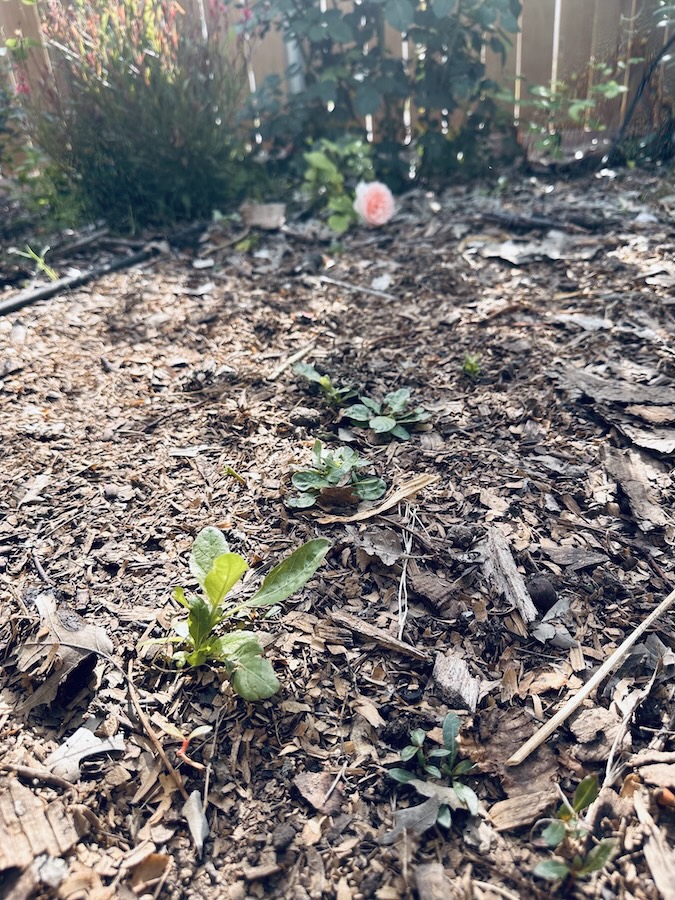
So I’ve learned to ask: Why did I just snap at my husband? What is under my irritation?
And I try not to blame — just notice.
Often, it sounds like this: “I feel guilty after an argument with my daughter.”
Am I actually guilty? No.
So what is the guilt pointing to? Fear that I’ve failed her.
“Lacey, what does guilt mean for you?” Fear.
“What are you afraid of?” That if she makes a mistake, she won’t be safe and her life will spiral out of control.
“Lacey, what do you do with fear?” Release and trust.
“What does that look like here?” Stop trying to control outcomes and trust that you love her, Lord, more than I do.
“And how do you live that out?” Let go. Allow her to possibly fail.
It’s tedious — like pulling weeds — until it becomes a rhythm and builds healthier soil.
So pause right now. Notice what you’re feeling. Let yourself feel it.
Then ask the Lord: What is this feeling rooted in? What is growing beneath it?
Don’t stop at the surface. Get to the root.
Then ask Him what He wants you to do next.
“My sheep hear My voice, and I know them, and they follow Me.” — John 10:27
It may be a scripture, a picture, a word, or a quiet reminder He has already spoken.
How is He asking you to trust Him right now?
Weeding is not easy. There is no shortcut. But it is how a garden stays alive. In this world, we will have “weeds” — but take heart, He has overcome the world (John 16:33).
With love and hope,
Lacey Steel
CLICK TO SUBSCRIBE